St. Thomas has a distinct housing character. Much of the city was built between the 1950s and 1990s, which means brick exteriors, soffit-and-fascia combinations, and a lot of vinyl siding that's reached the age where algae, mould, and years of road grime have started showing. Add Elgin County's clay-heavy soil and regular summer humidity, and St. Thomas homes tend to accumulate exterior buildup faster than homeowners expect.
The good news: most of it cleans up quickly with the right method. Core Exteriors serves St. Thomas regularly from our London base, and this post covers what to know before you book.
The Most Common Exterior Issues in St. Thomas Homes
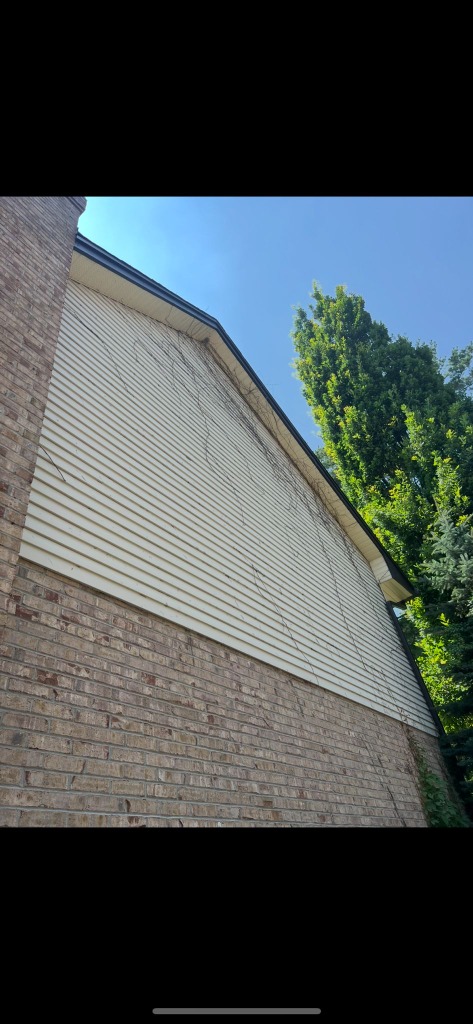
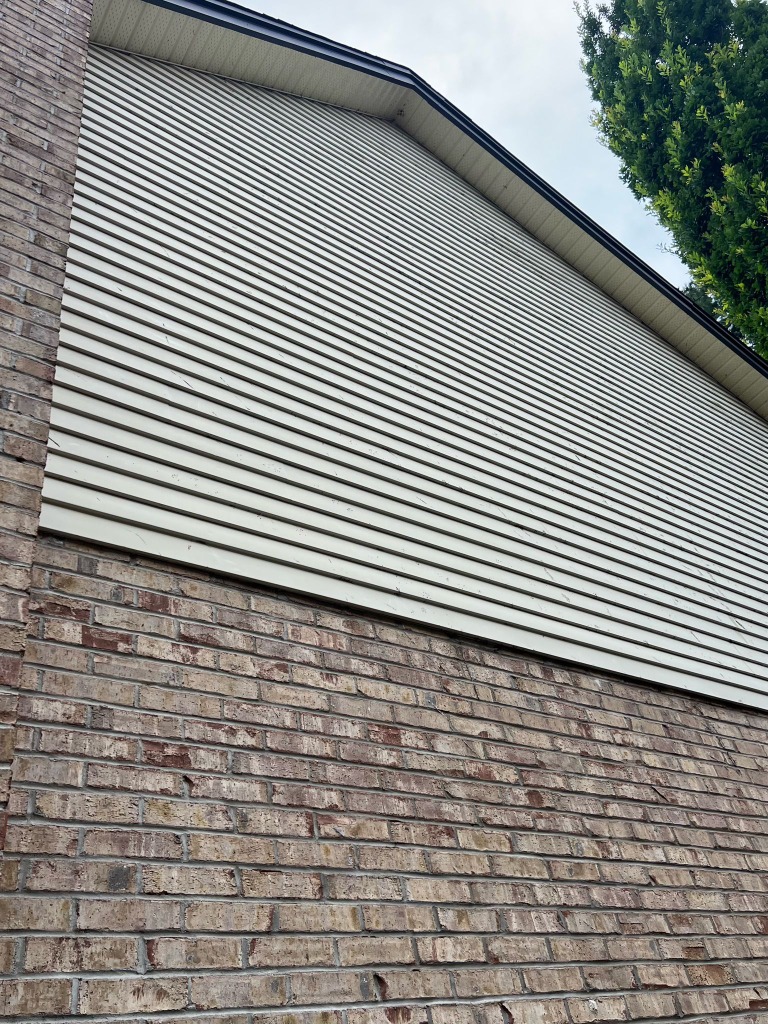
Vinyl and aluminum siding: Green and black algae streaks are the most common complaint. St. Thomas sits in a humid corridor, and north-facing walls rarely dry out fully between weather events. Algae takes hold in shaded zones and spreads sideways. Standard pressure washing smears it, soft washing with a low-concentration biocide is the permanent fix.
Concrete driveways: St. Thomas has a lot of original concrete poured in the 70s and 80s. Decades of freeze-thaw cycling create micro-pitting that holds oil stains and organic debris. A professional-grade hot water pressure wash pulls out staining that cold-water consumer rigs can't touch.
Eavestroughs: The mature tree coverage in St. Thomas neighbourhoods, particularly around Elgin Avenue and the older west end, means gutters fill up fast. Spring and fall cleaning is the minimum. After major windstorms it's worth a visual check from ground level.
DIY vs. Hiring a Professional in St. Thomas
The honest case for DIY: If your driveway just needs a light refresh and you have access to a decent consumer-grade pressure washer (1,500,2,000 PSI), you can handle it yourself. Same goes for patios and walkways if you're comfortable with the equipment. The risk is over-pressuring and etching the surface or driving moisture into wood decking boards.
Where DIY falls short: Siding is the big one. Consumer machines rarely have soft wash capability, they run at full pressure because that's what consumers expect. Soft washing requires a downstream chemical injector and the right mix ratios. Getting this wrong either strips paint, voids vinyl warranties, or damages caulking around windows. Most DIY siding cleaning in St. Thomas also misses the roof line, which is typically where the algae source lives, leaving the problem to come back within a season.
For gutters, the issue often isn't just scooping leaves, it's what comes after: flushing downspouts, checking for low spots, and spotting fascia rot before it becomes structural. That's easier to catch when you're on a ladder and know what to look for.
What Core Exteriors Offers in St. Thomas
We bring the same equipment and approach we use in London to every St. Thomas job. Services available in St. Thomas include:
- Soft wash siding cleaning, safe for all siding types including older aluminum
- Gutter and eavestrough cleaning with downspout flush
- Driveway and walkway pressure washing
- Patio and interlock cleaning and sealing
- Deck cleaning, brightening, and staining
We carry $5M general liability insurance and WSIB coverage on every job. A lot of St. Thomas homeowners have been surprised when they ask for certificates and a contractor can't provide them, that matters more than most people realize.
When to Schedule Exterior Cleaning in St. Thomas
The optimal window for most St. Thomas exterior work is May through October. Soft wash treatments need temperatures above 10°C to activate properly, and deck staining requires dry conditions for at least 24,48 hours after application. Spring is the highest-demand period, if you want a May or early June appointment, booking in March or April avoids the wait.
For gutters specifically, the St. Thomas schedule we recommend is late April (after seed pods fall from maples) and late October or early November after the bulk of leaf drop. That's the minimum to keep eavestroughs flowing properly through winter.
Maintaining your St. Thomas home's exterior doesn't need to be a major project. A consistent schedule, spring clean-up, fall gutter clear, periodic deck work, keeps costs manageable and prevents the kind of compounding damage that turns a $300 clean into a $3,000 repair.