London's mature tree canopy is one of the city's best features, but it's tough on your eavestroughs. Oak, maple, and elm trees shed leaves, seeds, and pollen that clog gutters faster than most homeowners expect. If you live near the Thames River corridor, Byron, or Wortley Village, you're dealing with even heavier leaf fall than average.
Our Recommended Schedule for London-Area Homes
- Spring (April,May), Clear out winter debris, seed pods from maples, and any ice-dam residue. This is the most important eavestrough clean of the year for London, Ontario homes.
- Fall (October,November), Clean after the bulk of leaves have fallen but before the first hard freeze. Clogged gutters + freezing water = ice dams and fascia damage.
- After major storms, High winds can dump a surprising amount of debris. A quick check after any storm with gusts over 60 km/h is a good habit across Southwestern Ontario.
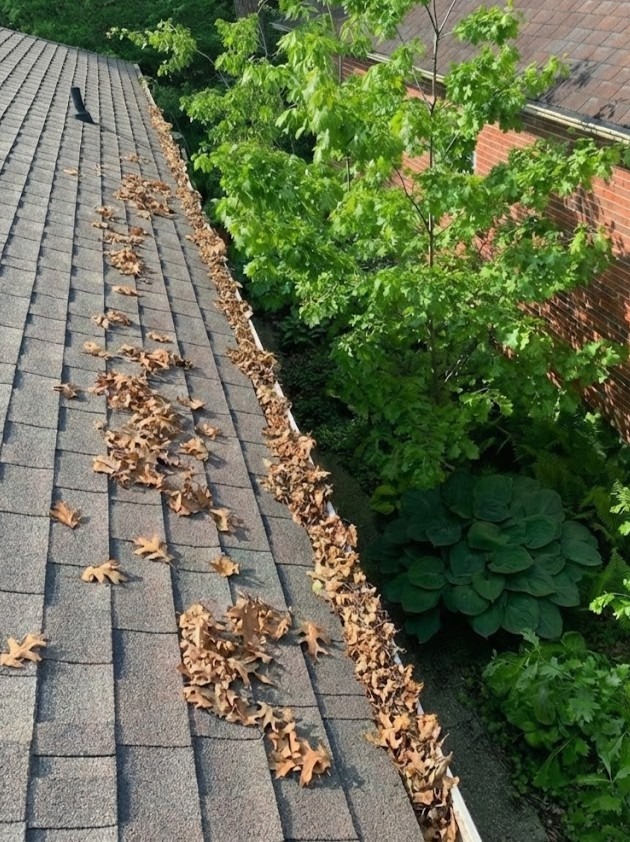
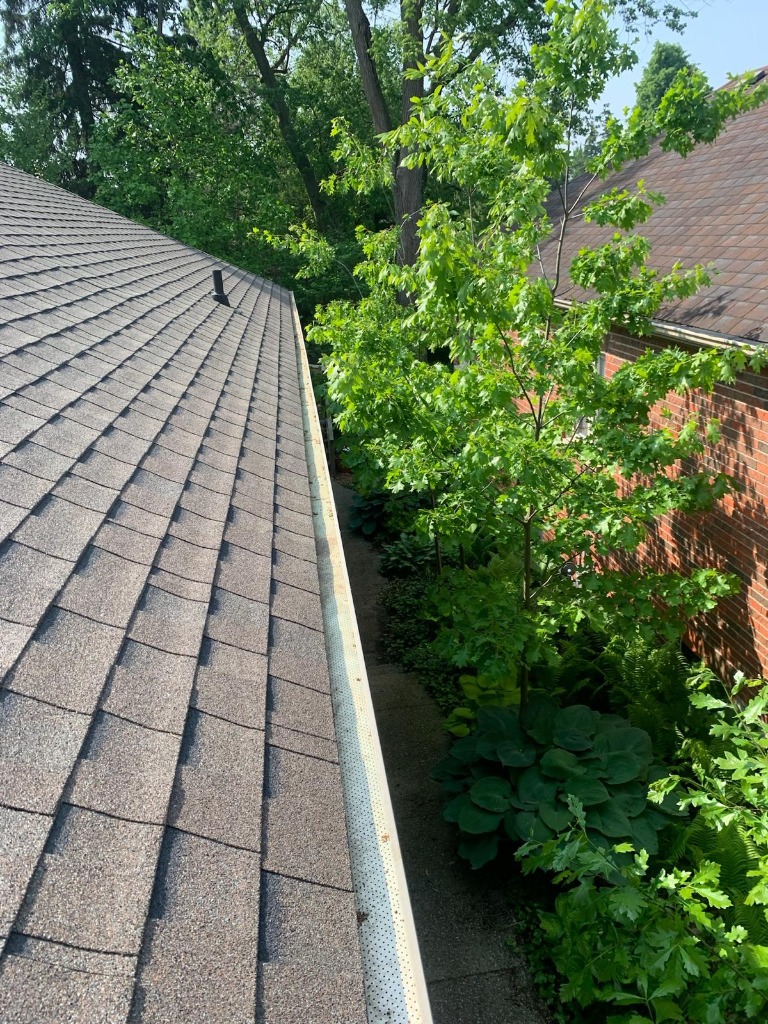
Signs Your Gutters Need Immediate Attention
- Water overflowing during rain
- Sagging or pulling-away sections
- Plant growth inside the channel
- Staining or streaking on siding below the roofline
- Water pooling near your foundation after rain
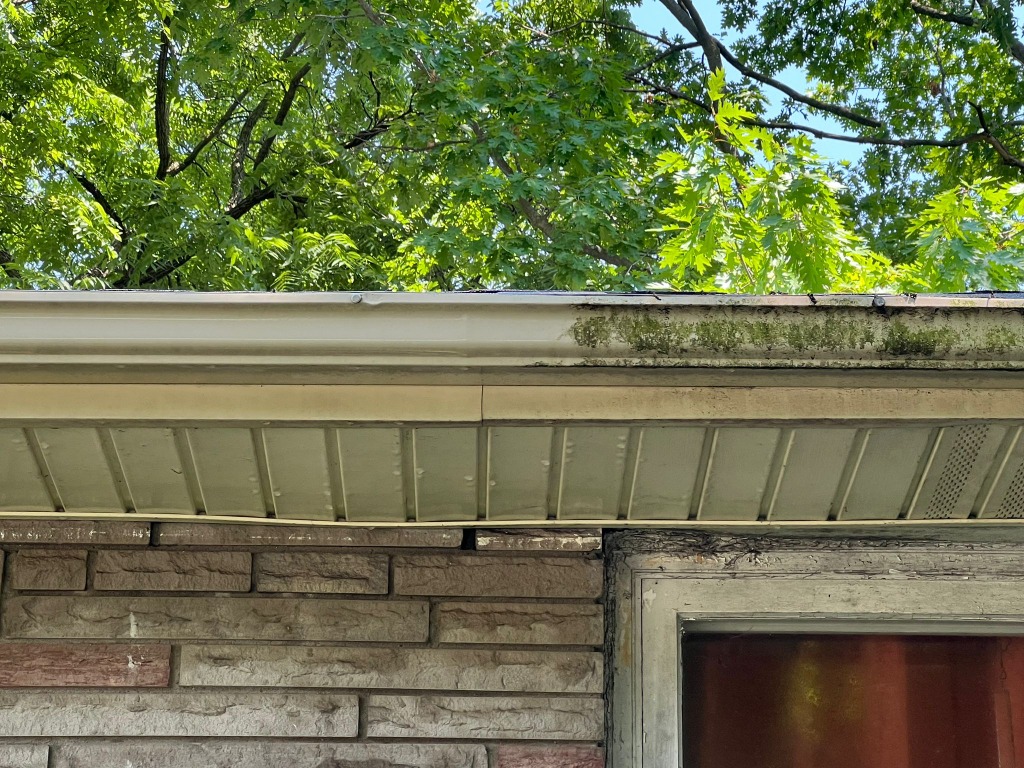
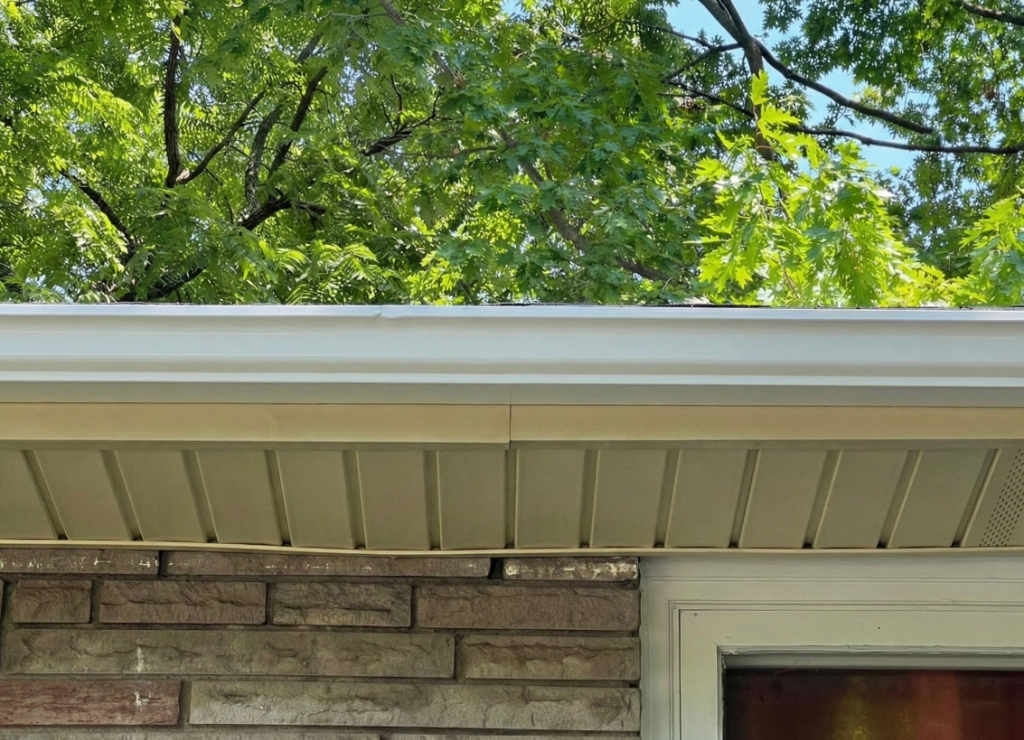
What Happens When You Skip Gutter Maintenance
Blocked gutters are the leading cause of water infiltration into basements in older London neighbourhoods. When water can't drain through the eavestrough system, it backs up under shingles, saturates the fascia board, and eventually finds its way into your walls or foundation. This is how a $150 spring clean turns into a $10,000+ water damage insurance claim.
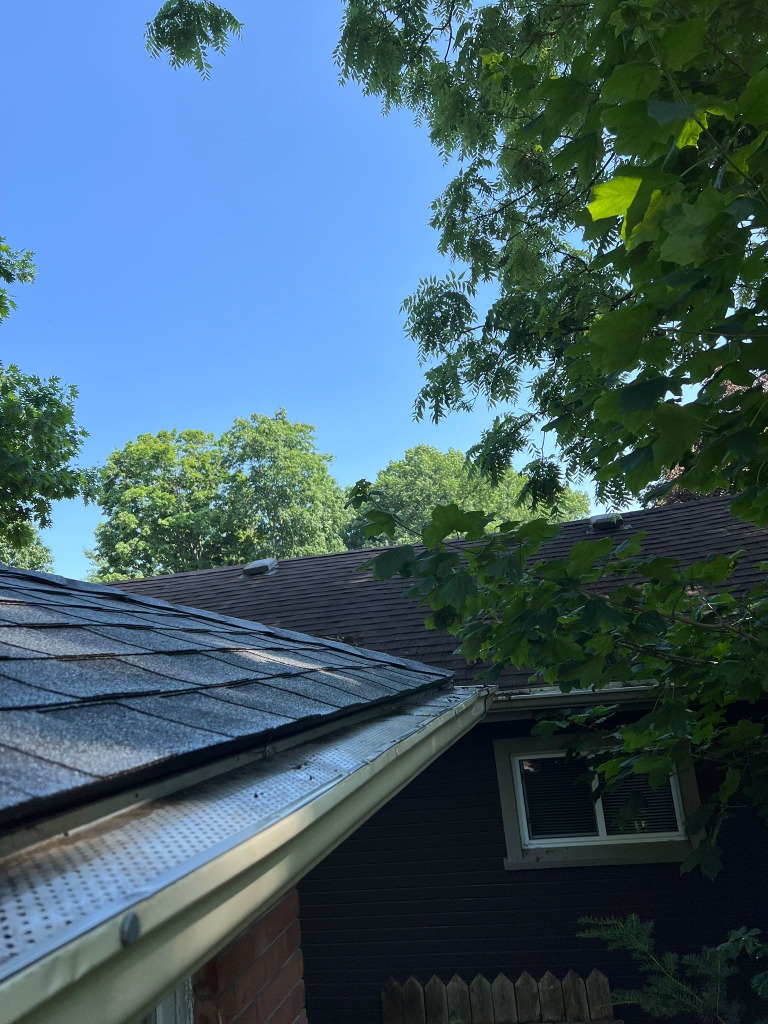
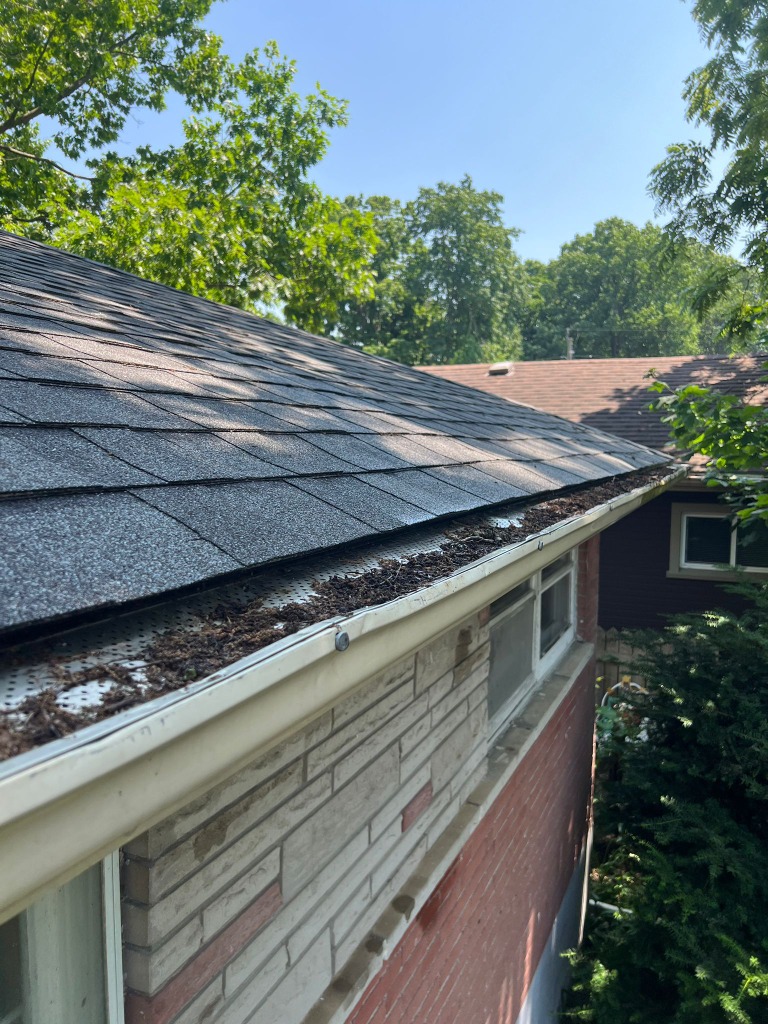
We provide professional gutter cleaning across London, St. Thomas, Strathroy, and Dorchester. Our team uses proper laddering, flushing, and inspection on every job, not just a quick scoop. See our full spring exterior checklist for everything else to look at while you're at it.