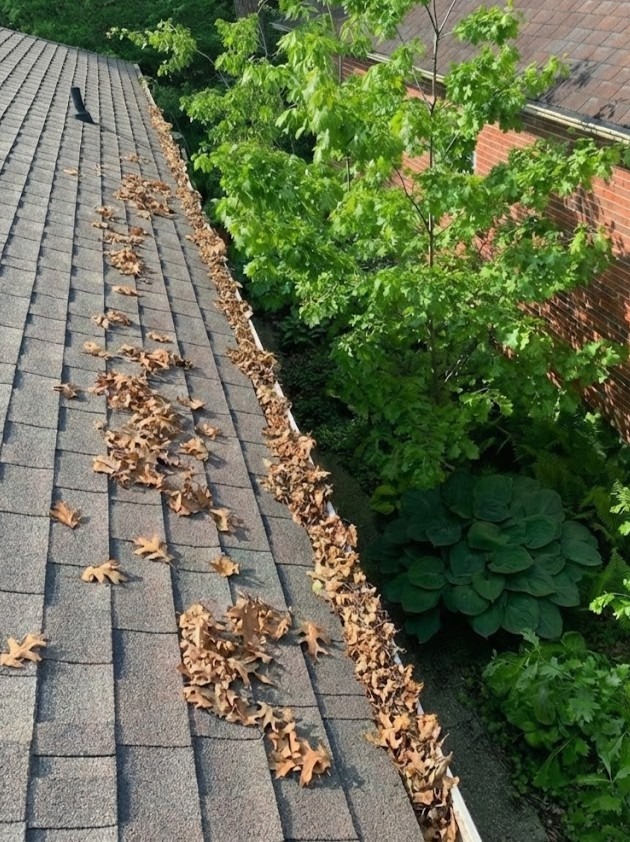
London's tree canopy is something most of us take for granted until November, when every oak, maple, and elm in the city dumps its entire load onto your property at once. If you're in Byron, Wortley Village, or anywhere near the Thames River corridor, you know what this looks like: gutters packed solid, decks buried, interlock disappearing under six inches of wet leaves.
Most of that can wait a few weeks, right? The problem is it doesn't just sit there, it works. Wet leaves against wood, siding, or stone start breaking down within days. By the time you get to spring cleanup, you're not just raking up leaves. You're dealing with the damage they left behind.
What Leaves Actually Do to Your Property Over Winter
A pile of wet leaves against your deck or siding holds moisture against the surface for months. That moisture accelerates wood rot, feeds mould, and in the freeze-thaw cycles we get here in Southwestern Ontario, it works its way into small cracks and expands. CMHC's home maintenance guidelines specifically list leaf and organic debris removal as a priority before winter for exactly this reason, once the freeze cycle starts, the damage compounds.
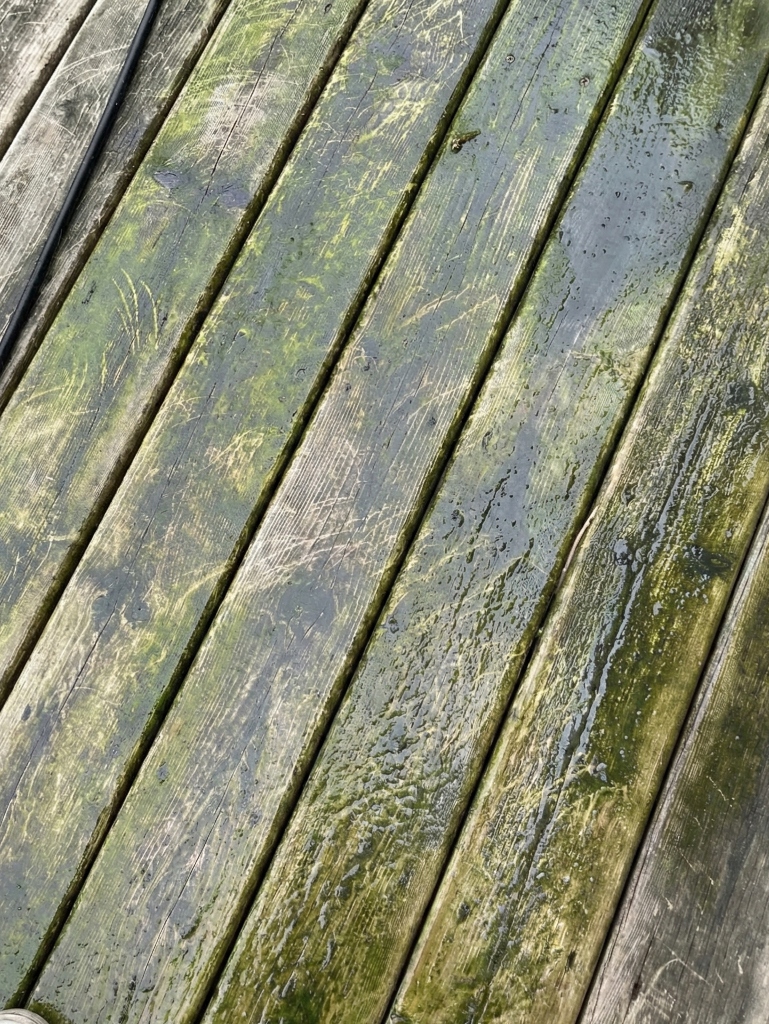
On interlock and concrete, decomposing leaves leave organic staining that bonds to the surface. On siding, they trap moisture against the base boards. On decks, they're even worse, the tannins in oak and maple leaves actually stain wood and strip protective coatings. We pull them back every spring and find the same thing: a perfect leaf-shaped outline of discolouration where the pile sat all winter.
The Fall Cleanup That Actually Protects Your Property
You don't need to do a full exterior deep-clean in October. But there are four things that make a real difference before the ground freezes:
- Clear your eavestroughs completely, not just the obvious sections, but the downspout extensions too. A eavestrough that drains 90% is still a problem when that last 10% freezes solid and backs up under your shingles.
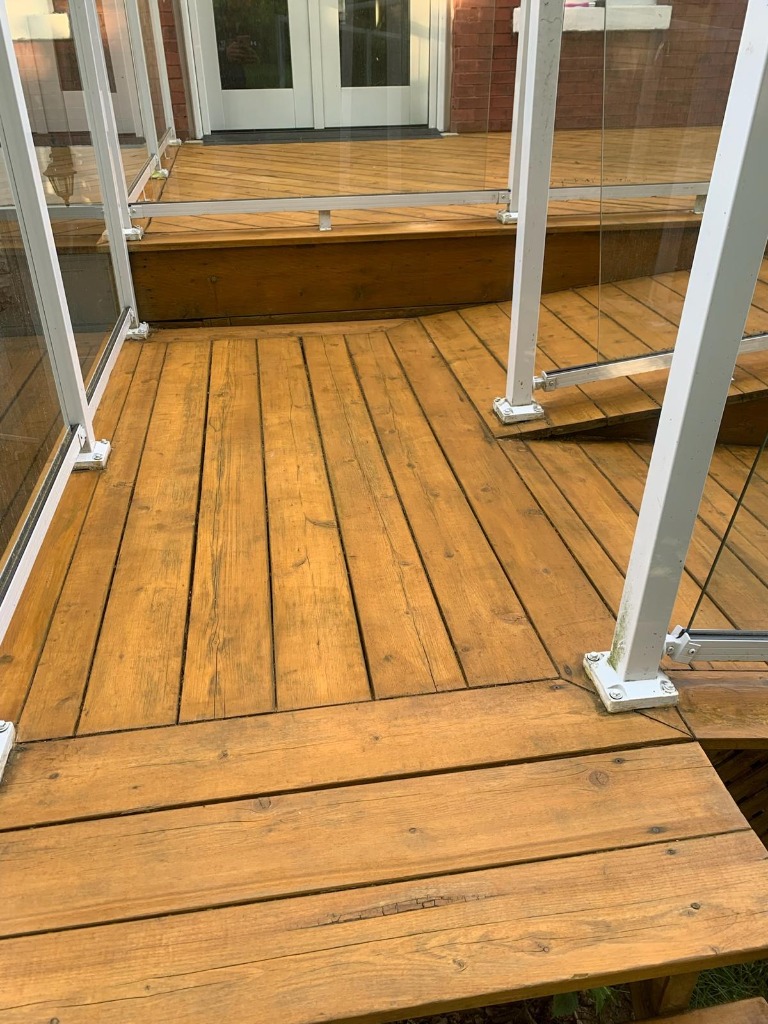
- Get leaves off your deck, especially piles that sit against the ledger board where the deck meets the house. That joint is where water infiltration starts.
- Sweep interlock and concrete, wet leaves on pavers through the winter leave staining that requires professional cleaning to remove properly in spring.
- Check downspout direction, make sure water is flowing away from your foundation. The City of London's drainage guidelines recommend at least 1.8 metres of clearance from foundation walls, and if your downspout extension has been buried under leaves all season, it's worth checking it's still pointed the right way.
Spring Cleanup: What We Actually Find
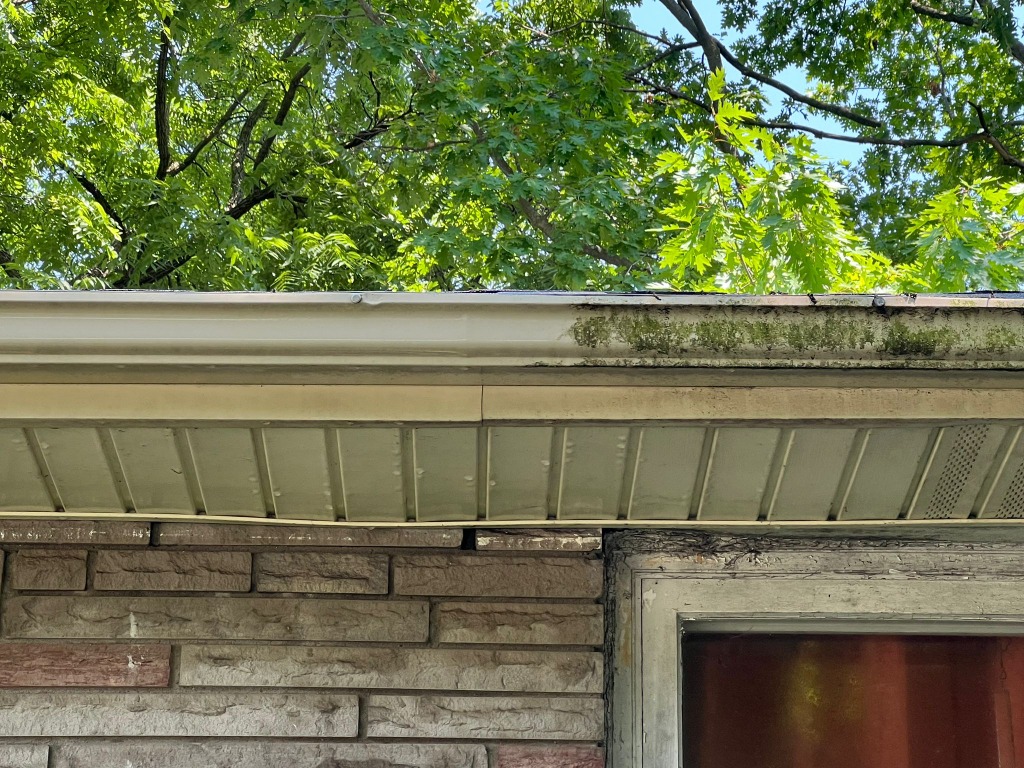
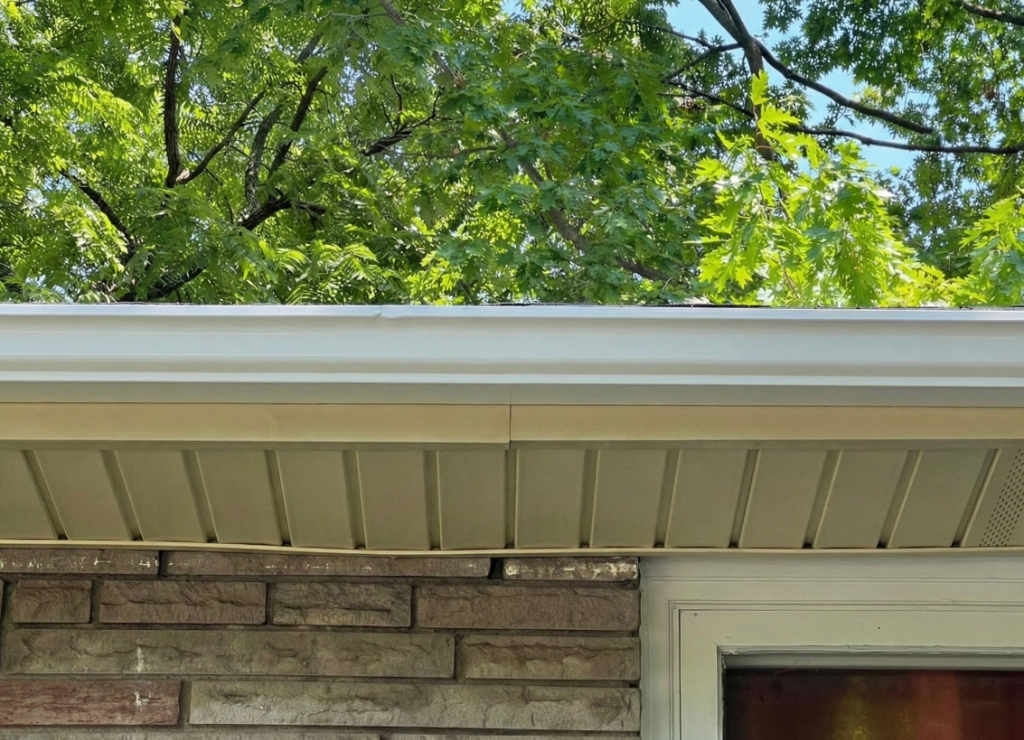
By April in London, we're seeing the same things on almost every property: clogged downspouts that backed up and pushed water into fascia boards, deck boards with surface mould along the edges, and driveways with leaf staining on the concrete. These aren't disaster-level problems, but they require the right approach to fix properly rather than just push water around.
Spring pressure washing is most effective on surfaces that have been properly prepped, meaning the debris and organic matter is off first, not just blasted around. We always do a surface inspection before we wash anything, because running a pressure washer over rotted wood or cracked caulking just makes those problems worse.

If you're booking spring exterior work in London, the best window is April through mid-May, before the humidity picks up and before everyone else has called. We cover gutter cleaning, deck restoration, pressure washing, and siding cleaning across London, St. Thomas, Strathroy, and Dorchester. See our full spring exterior checklist for a complete rundown of what to look at.