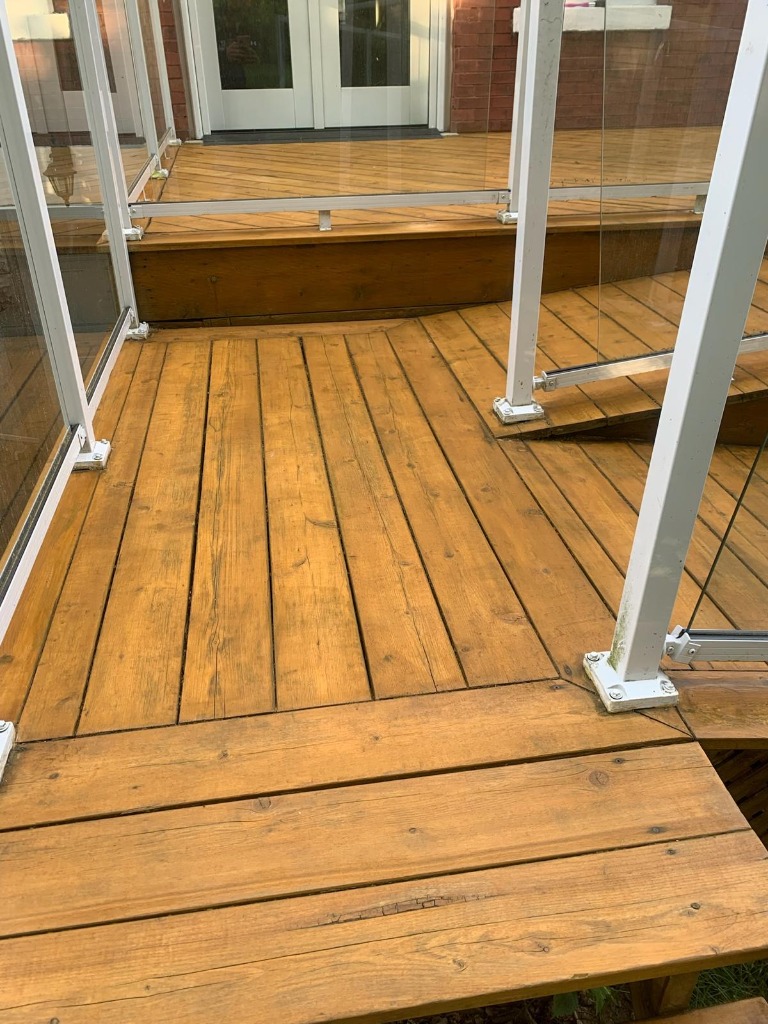
Every spring in London, the same conversation starts: the old deck is past its prime, the back patio is cracked or uneven, and someone's seen a neighbour's outdoor kitchen and decided this is the year. It's a good instinct. Southern Ontario summers are genuinely worth building for, we get warm, dry stretches from May through September that rival cottage country, and most London backyards are completely underused.
The decisions you make at the start, what material, what layout, what to pair with a deck, determine how much you enjoy the space and how much you spend maintaining it over the next 20 years. Here's what's worth knowing before you start.
Pressure Treated, Cedar, or Composite: The Honest Comparison
This is the first question on almost every deck build, and there's no universal right answer. What's right depends on your budget, how much maintenance you're willing to do, and what the deck needs to look like in ten years.
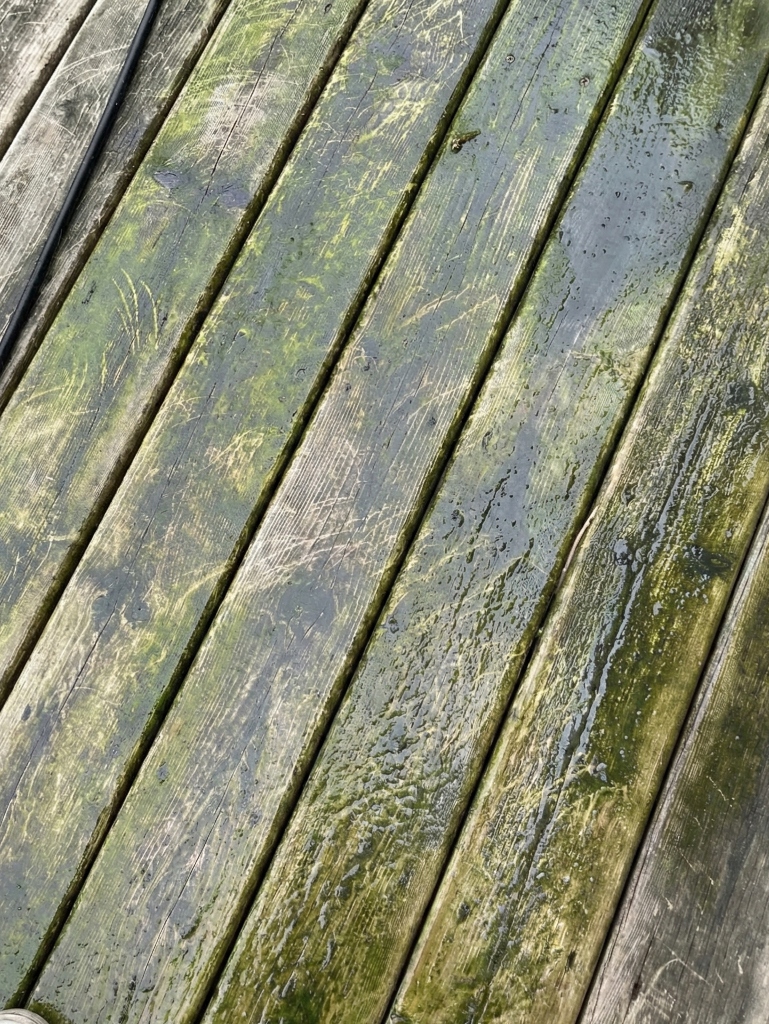
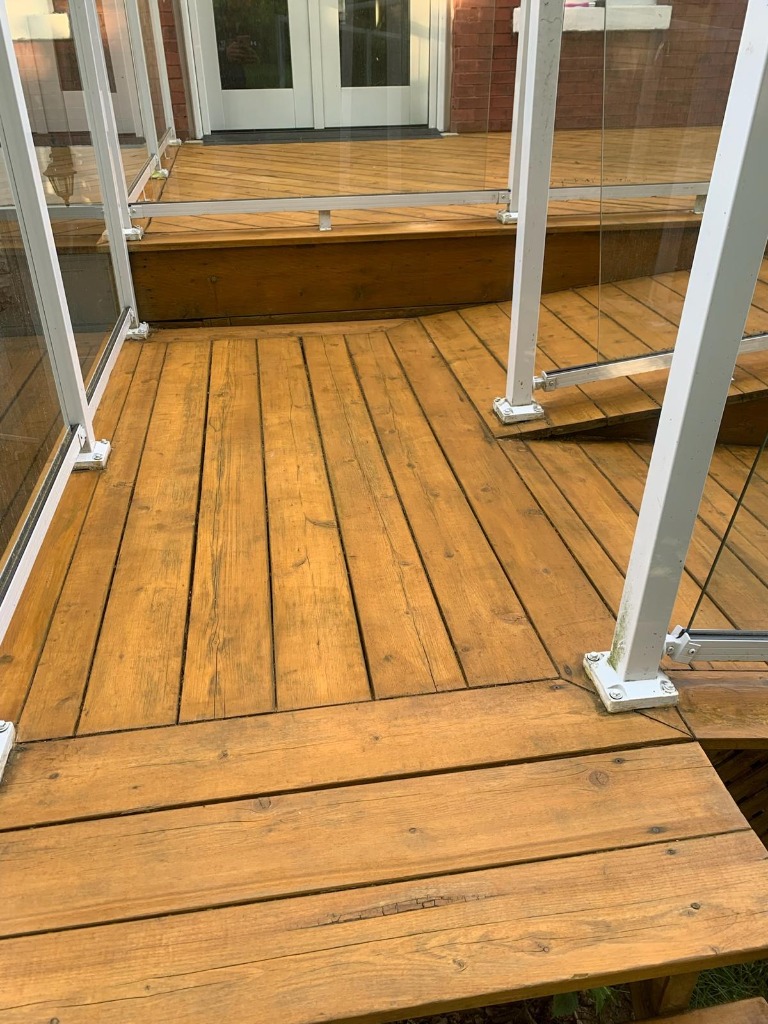
Pressure treated lumber is ACQ-treated (alkaline copper quaternary) pine, and it's what most entry-level decks in London are built with. It handles moisture and insects well, it's the most affordable option by a significant margin, and it's readily available from any local lumber yard. The downsides: it needs to dry out for a full season before you can stain it, it warps and checks as it ages, and if you want it to look good long-term you're committing to cleaning and resealing every two to three years. According to the Canadian Wood Council, properly maintained pressure treated decks last 15 to 25 years, which is a solid run for the cost.
Cedar is a step up in almost every way that matters aesthetically. It's naturally rot-resistant, it doesn't need chemical treatment, it stays dimensionally stable better than pressure treated pine, and it looks genuinely beautiful when freshly oiled. The smell when it's new isn't bad either. Cedar decks in Byron, Westmount, and Lambeth tend to look the best in the neighbourhood because homeowners there tend to maintain them properly. The catch: cedar is roughly 40 to 60% more expensive than pressure treated, and it still needs regular oiling or it greys out and starts to check. Neglected cedar looks worse than neglected pressure treated.
Composite decking (Trex, TimberTech, Fiberon, and others) is what most of our clients who've had a wood deck before eventually switch to. The upfront cost is substantially higher, figure 2x to 3x the material cost of pressure treated for a mid-grade composite, but the maintenance commitment is almost nothing. Sweep it, wash it occasionally with a pressure washer on low, and that's it. No staining, no sealing, no rotted boards to replace in year eight. Composite handles London's freeze-thaw cycle well because it doesn't absorb moisture. Most manufacturers back it with 25-year warranties on fade and stain.
Interlock: Why It Outlasts Poured Concrete for Patios and Driveways
If you're adding a patio, walkway, or driveway to complement a new deck, the choice between interlock pavers and poured concrete comes down to two things: movement tolerance and repairability.
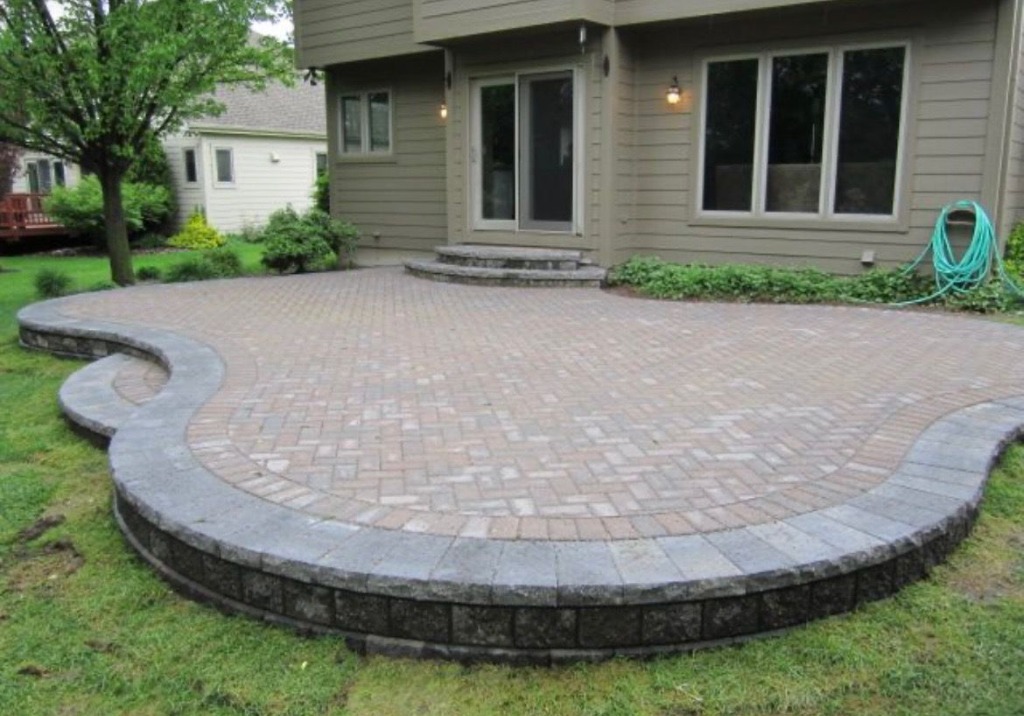
London's clay-heavy soil is notorious for frost heave. Poured concrete slabs crack, not because of poor installation, but because the ground moves under them every winter and a solid slab has nowhere to flex. Once a concrete slab cracks, the repair is visible and the structural integrity of the whole slab is compromised. Interlock pavers move with the frost. Individual pavers can shift slightly, and when that happens they can be lifted, the base re-graded, and reset, no visible repair, full structural restoration.
Unilock's hardscape technical guide puts the installed lifespan of a properly built interlock patio at 30+ years with proper base preparation, typically 8 to 12 inches of compacted granular base material depending on soil conditions. That base work is what most budget interlock jobs skip, and it's why you see wobbly, sunken patios on three-year-old builds. The paver itself lasts indefinitely; the base is what fails.
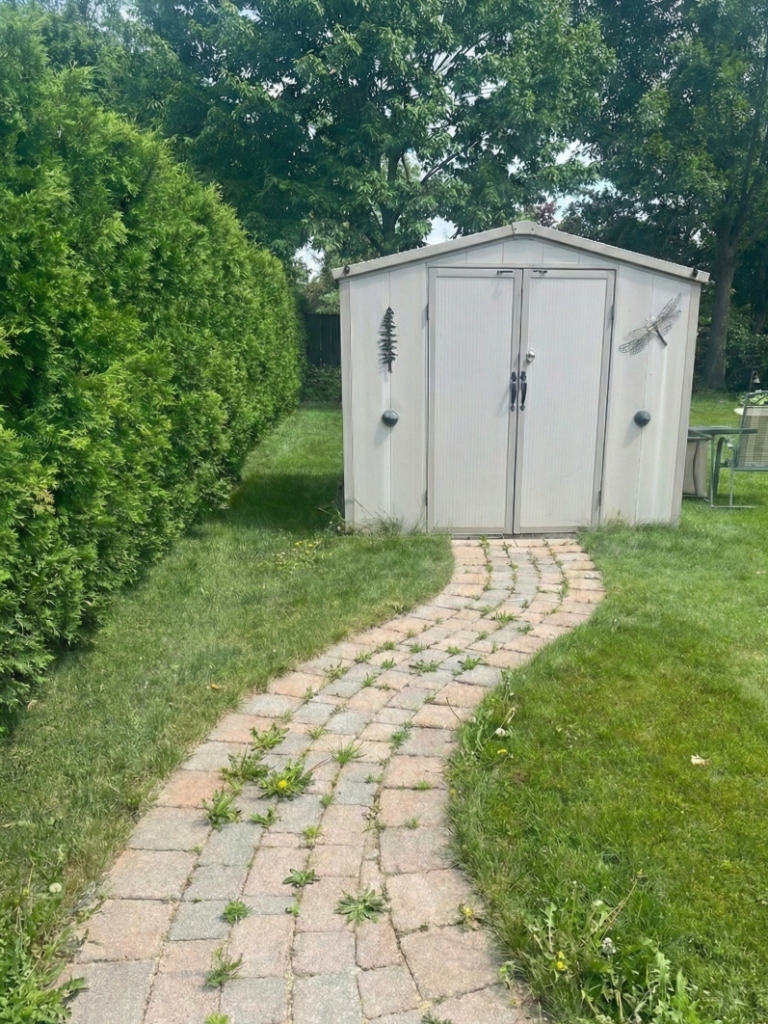
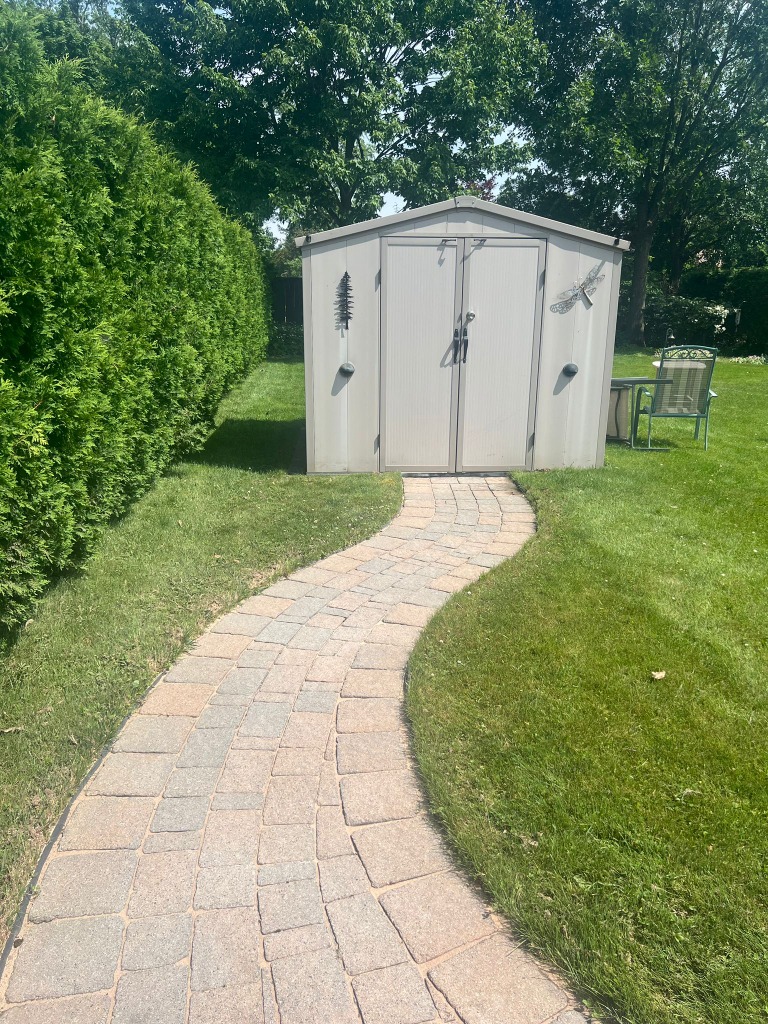
For driveways, interlock holds up better under the salt and load cycling of a London winter than poured concrete or asphalt. It also adds meaningfully to curb appeal and resale value in a way that a plain concrete pad doesn't. Unilock's Holland Stone and Brussels Dimensional are the two patterns we see most in London neighbourhoods, they're forgiving to install and age well.
Adding an Outdoor Kitchen: What's Worth Doing and What Isn't
Outdoor kitchens have moved from a luxury item to something a lot of London homeowners are building into their backyard plans, especially when they're already doing a deck or patio project. The range is wide, from a basic built-in grill with a stone counter to a full outdoor room with a sink, fridge, pizza oven, and bar seating.
The honest advice: spend on the grill and the countertop surface, not on appliances you'll use twice a season. A quality built-in grill (Napoleon and Weber both have strong reputations in this market) set into a stone or concrete counter is something that genuinely gets used. A built-in bar fridge in a space that's below freezing six months a year is a maintenance headache. Same with built-in sinks, unless you're in a position to run a proper draining line that doesn't freeze, a portable solution works better for most London backyards.
For the surround, concrete board framing clad in porcelain or natural stone tile is the most durable option for our climate. It handles moisture and temperature swings without cracking the way exposed grout joints in standard ceramic tile do. Granite countertops are the gold standard for outdoor kitchen surfaces, they don't absorb food or grease, they don't scratch, and they hold up through Southern Ontario winters without issue.
One thing most people underestimate: lighting. An outdoor kitchen that's only usable when the sun is up loses about four months of useful evenings per year. Low-voltage LED under-counter lighting, a few pendant lights over the bar area, and pathway lighting along the interlock are the things that actually change how much you use the space after 8pm. It's not expensive to add during construction, and it's a pain to retrofit.
If you're working on a backyard project in London and need the deck restored, the interlock re-levelled, or the surfaces pressure washed and sealed before you start furnishing, we can help with that piece. See our deck restoration page and our hardscape services for what we do, or contact us for a free estimate.